

Who Is Related??
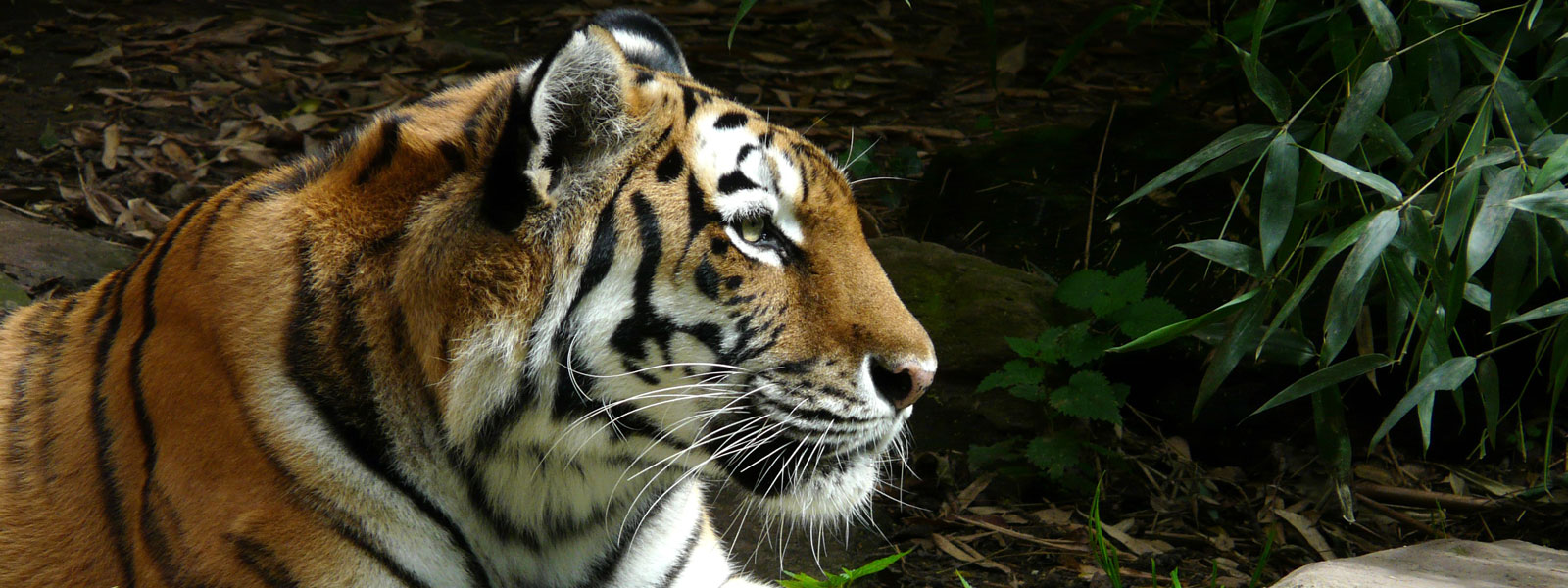
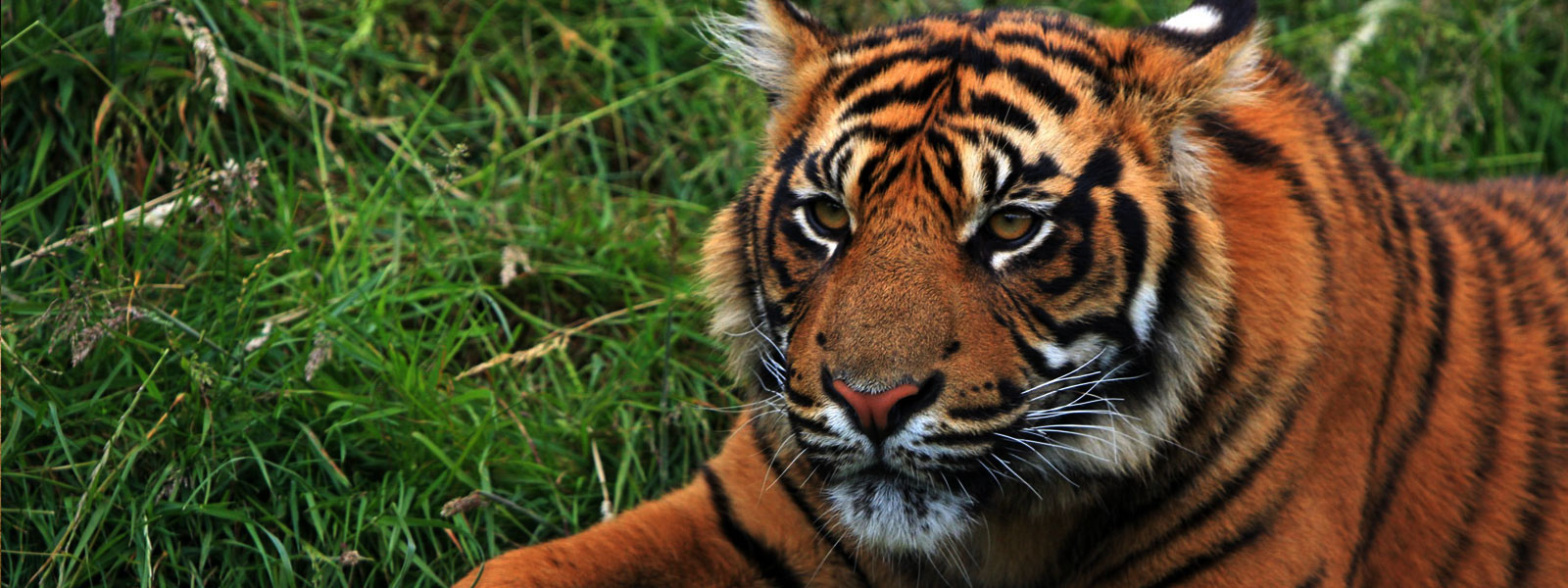
Which two do you think are most closely related?
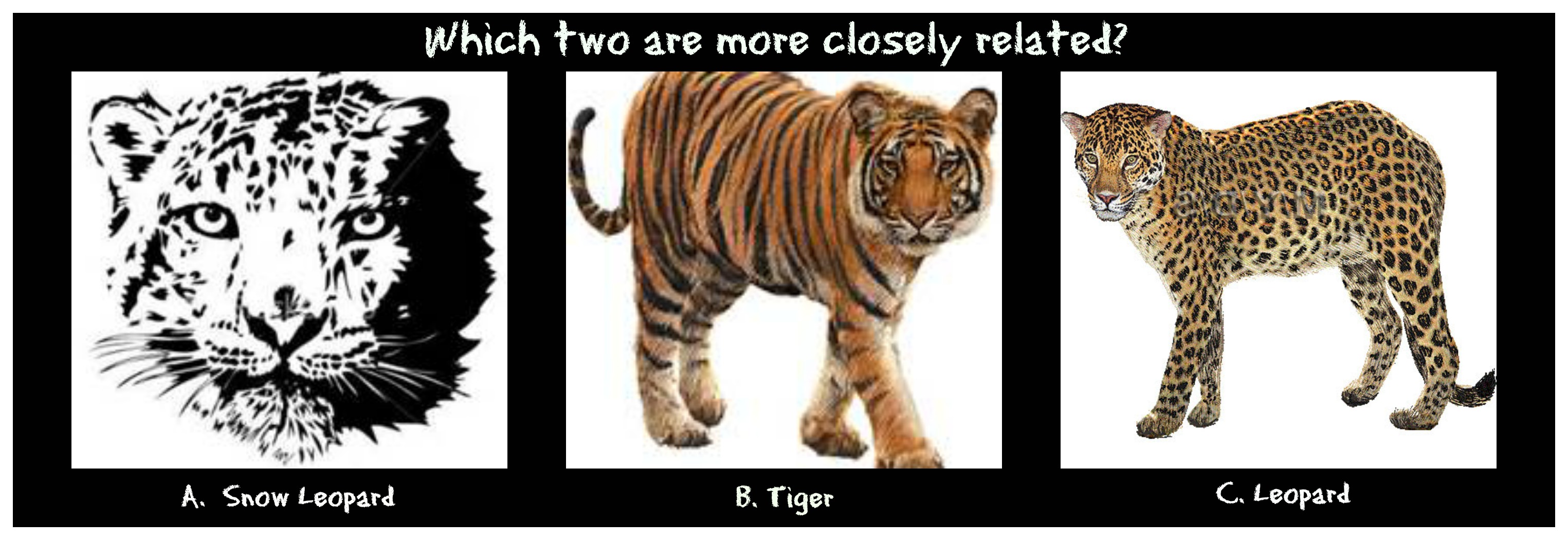
A. Snow Leopard B. Tiger C. Leopard
Wild Felid Advocacy Center Of Washington
Alice In Chains – Rock The Catz Paw 2
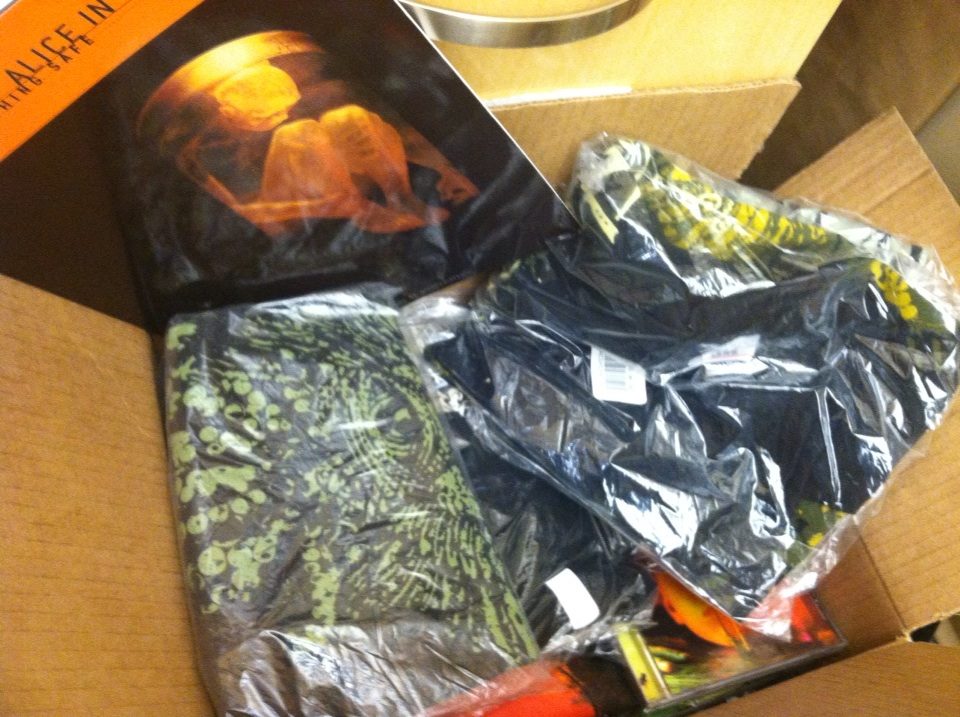
Auction items from Alice In Chains
Serval Enrichment
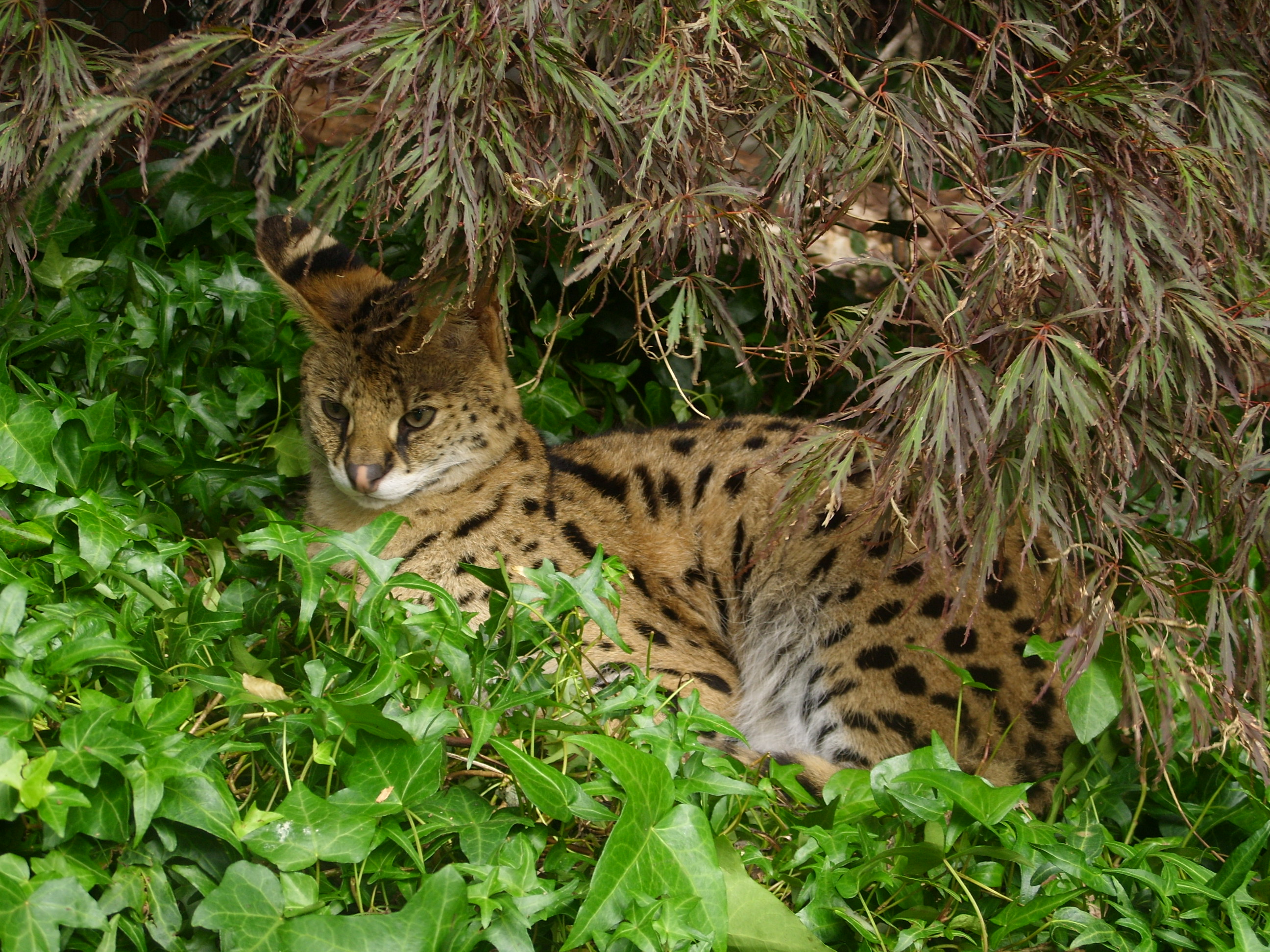
It’s #Neiko searching for hidden shrimp, an #enrichment activity every #serval at #wfac enjoys. 🍤

Neiko – African Serval
Wild Cat Photo CD Now Available!
Photo CD Available NOW!! You can order your own CD with over 250 great photos of the wild cats! Go to: http://www.wildfelids.org/WFACStore.html Cost: $12 (includes shipping). Photos are copyrited and may not be used in any commercial capacity.

#Tiger Parts Are NOT Medicinal!!!
The trade in #tigerparts must stop! NO #medicinal benefit here… only cruelty. Do your part to tell the world!
Margay
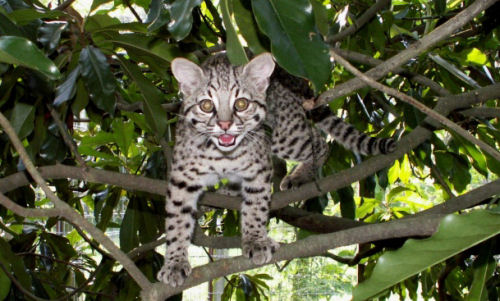
As well as #Margays having ankles that can turn 180 degrees to help it climb and descend trees they also have some of the most sensitive (and long) whiskers in the cat family.  Its whiskers (called #vibrissae) are situated on the lips, cheeks, chin, eyebrows, and forelegs and give the cat information about the environment. The whiskers are deeply embedded in the skin and connected to nerve endings that transmit information to the brain. This allows the cat to “read” air currents and the locations of obstacles and items around it in order to stalk almost silently. When capturing prey, such as rabbits, rodents, birds, or fish, the whiskers around the face all point forward like a net to detect exactly where the prey is and where it might go. The really are King of the Canopy! Photo by: Nancy Vandermey
ANDEAN MOUNTAIN CAT

Andean Mountain Cat: Scientific Name: Leopardus jacobita The Andean mountain cat is a small wild cat that lives in the Andes mountains of Peru, Bolivia, Northern Chile and northwestern Argentina. There have also been sightings of the cat at lower altitudes in the Mendoza province of Argentina. Although the Andean mountain cat was first described in 1865, it was not until 1997 that it was seen and photographed by ecologist and small wild cat specialist Jim Sanderson. The ca…t is currently listed as #ENDANGERED on the #IUCNRedListofThreatenedSpecies. It is estimated that there are less than 2,500 Andean mountain cats living in the wild. Despite legislation protecting the cat in all four countries where it lives, the Andean mountain cat population has been on a steady decrease. Reasons for the decline include continued hunting, as well as habitat loss and loss of prey. #AndeanMountainCat #AndeanCatAlliance
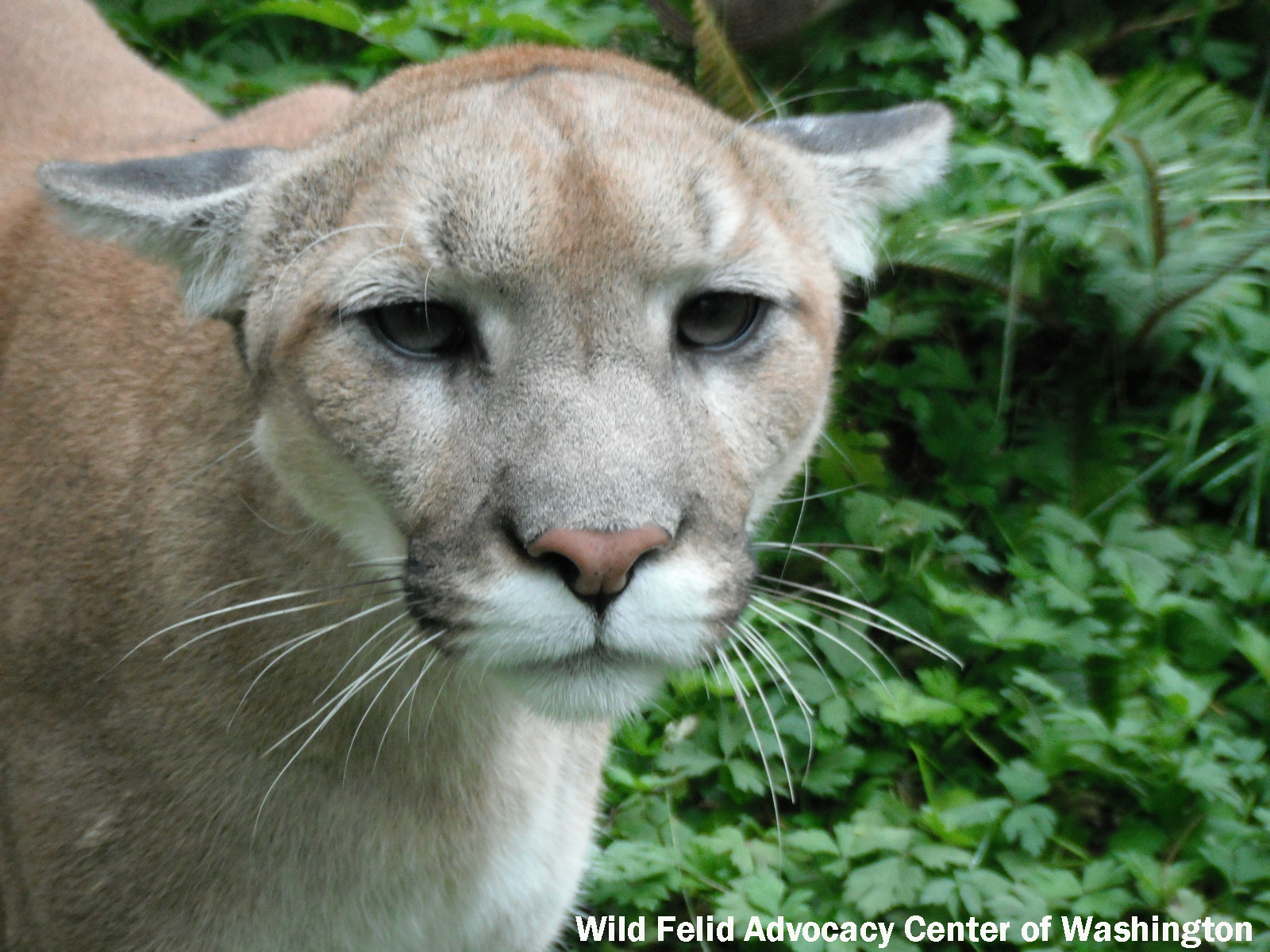
Hannah sez….
“Excuse me… I DON’T THINK SO!!!”

Turbo leopard sez… GO HAWKS!!
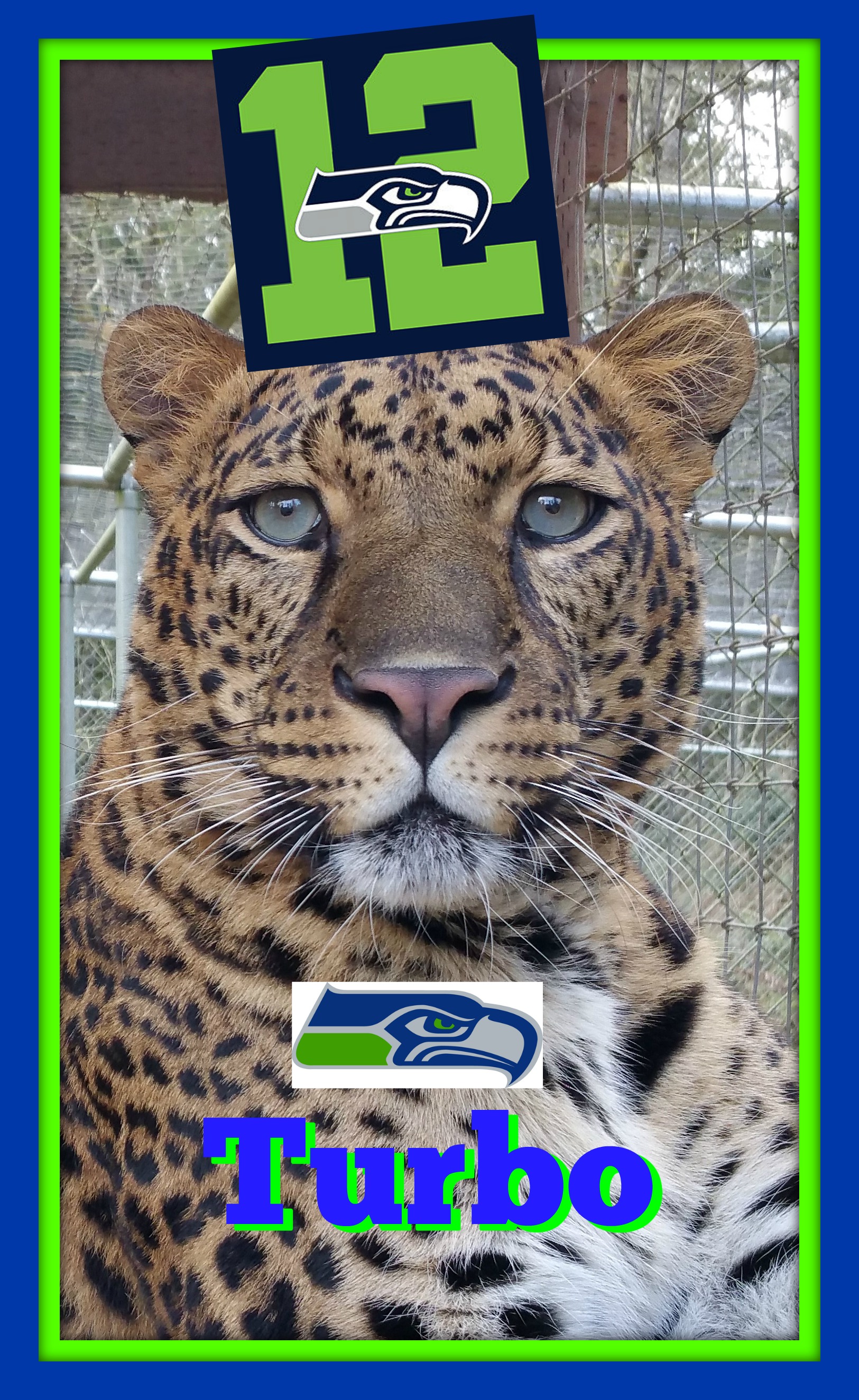
Turbo would be the BEST tackle ever 😉
